Fines and Liability for Illegal Dumping in Havering Explained
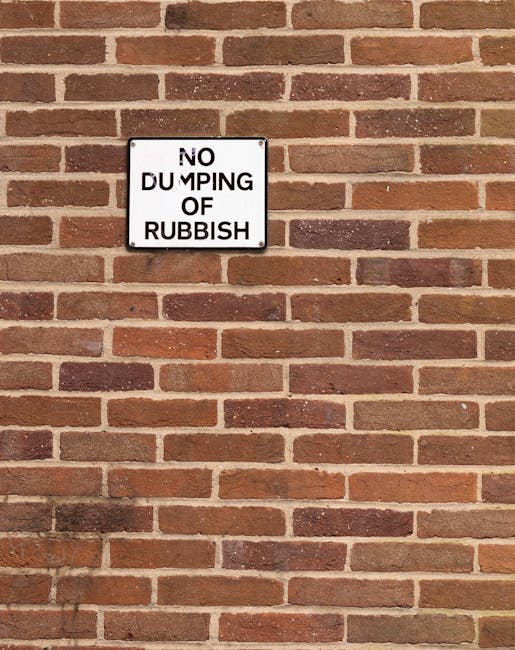
If you have ever seen a sofa left by a lane, builder's rubble tipped beside a hedge, or black bags piled up where they do not belong, you already know why this topic matters. Fines and Liability for Illegal Dumping in Havering Explained is not just about avoiding a penalty. It is about understanding who can be held responsible, what the real risks are, and how to handle waste properly before a small mistake turns into a very expensive one.
Truth be told, a lot of people only start looking into this after they have inherited a mess, hired the wrong remover, or been blamed for waste they thought had been handled. That is where the confusion begins. This guide breaks the issue down in plain English, with practical examples, a realistic step-by-step approach, and a few calm, sensible ways to stay on the right side of things. No scare tactics. Just clear guidance.
Why Fines and Liability for Illegal Dumping in Havering Matters
Illegal dumping, sometimes called fly-tipping, is one of those problems that seems small at first and then spreads. One bag becomes three. A mattress sits there for weeks. Rain soaks into broken furniture, packaging, or builders' waste, and suddenly the area looks neglected. In Havering, as in the rest of London, this is not just an eyesore. It can create safety hazards, attract pests, block access, and leave someone else facing the cost of clearing it up.
The key issue is liability. People often assume that if they did not personally throw the waste there, they cannot be held responsible. That is not always true. If waste was handed to an unlicensed person, left with a trader who could not prove lawful disposal, or dumped from a property under your control, you may still need to answer questions. That is why the phrase Fines and Liability for Illegal Dumping in Havering Explained is useful: it focuses attention on both the punishment and the responsibility.
Let's face it, many waste problems start in very ordinary situations. A tenant moves out fast. A landlord wants a flat cleared quickly. A homeowner is getting rid of garden clutter. A small business needs office furniture gone before Monday morning. In a rush, people choose the cheapest option, or the most convenient one, and skip the checks that matter.
That is where the risk gets expensive. Illegal dumping can lead to fixed penalties, prosecution in more serious cases, clean-up costs, vehicle seizure in some circumstances, and reputational damage for businesses. It can also create awkward liability questions between owners, occupiers, contractors, tenants, and householders. Nobody enjoys that conversation on a wet Tuesday morning, but it happens.
How Fines and Liability for Illegal Dumping in Havering Works
At a practical level, illegal dumping enforcement usually follows a simple pattern: waste is discovered, officers investigate where it came from, and liability is assessed based on the evidence available. That evidence may include items left in the waste, addresses on packaging, CCTV, witness statements, vehicle details, or documents linking the waste to a person or business. Sometimes the trail is clear. Sometimes it is messy. Very messy.
In UK waste law, people have a duty of care to ensure their waste is passed to someone authorised to handle it. In plain terms, that means you should be able to show that the waste was collected, transported, and disposed of properly. If you cannot show that, you may struggle to prove you took reasonable steps. That is one reason cheap, cash-only, or no-paperwork arrangements are such a bad idea.
Here is the part many people miss: liability is not always limited to the person who physically dumped the waste. It can also extend to the person who allowed it to happen, arranged the collection, failed to check the carrier, or left waste where it could be misused. A landlord who gives a key to a clearance team without checking who they are may find themselves in a difficult position. A business that hands over confidential or bulky waste without records can also face trouble later.
For some readers, the whole thing can feel a bit unfair. But the system is built around prevention. Authorities want people to think ahead, use lawful disposal routes, and keep records. That is the general idea, anyway.
If you are sorting out waste from a property clearance, garden project, or office move, it helps to use a service with proper procedures. For example, the pages on waste removal and recycling and sustainability are useful starting points if you want a more structured, responsible approach.
What counts as illegal dumping?
Illegal dumping can include leaving rubbish on public land, depositing waste without permission, tipping household or commercial rubbish in the wrong place, or handing waste to someone who then dumps it illegally. It is broader than people think. A single overloaded van, a pile of builder's waste at the roadside, or a sofa left behind a fence can all fall into the same problem area if the waste was not handled lawfully.
Why paperwork matters so much
Receipts, invoices, transfer notes, and collection records may feel dull in the moment. Not glamorous at all. But when something goes wrong, they become the difference between a manageable issue and a serious headache. If a question is raised about who disposed of the waste and how it was handled, paperwork helps show you acted responsibly.
Key Benefits and Practical Advantages
Understanding illegal dumping fines and liability is not only about avoiding punishment. It also helps you make better decisions when hiring help, moving out, clearing a property, or managing business waste. That knowledge saves time, money, and a fair amount of stress.
Here are the biggest practical advantages:
- Lower legal risk: You are less likely to be caught out by improper disposal or missing records.
- Better contractor choices: You can screen waste carriers with more confidence and ask the right questions.
- Cleaner property handovers: Landlords, tenants, and agents can reduce disputes over abandoned rubbish.
- More predictable costs: Legal disposal may not be the cheapest line item, but it is usually far cheaper than a fine and a clean-up bill.
- Less stress: When you know the process, you spend less time worrying about what might happen if someone checks the site or the paperwork.
A practical example: a small business clearing old office desks may be tempted by a low-cost van service offering same-day removal. If that service dumps the items somewhere unofficially, the business may still face scrutiny if it failed to check who was collecting the waste. That is not just theory. It is exactly the kind of thing that catches people out.
If you are dealing with bulky items, business waste, or a full premises clear-out, it helps to look at services such as office clearance or business waste removal rather than trying to improvise a quick fix.
Who This Is For and When It Makes Sense
This topic matters to more people than you might expect. It is not just for lawyers, landlords, or council officers. If you produce waste, arrange waste removal, or control a property, you need at least a basic understanding of the risk.
It is especially relevant for:
- Homeowners clearing furniture, garden waste, garages, lofts, or entire houses.
- Landlords and letting agents managing abandoned items or end-of-tenancy clear-outs.
- Businesses disposing of office furniture, retail waste, packaging, or refurbishment debris.
- Builders and contractors dealing with rubble, timber, plasterboard, and mixed construction waste.
- Tenants and flat residents who need to leave a property tidy and avoid disputes.
- Anyone who has been approached by a cheap collector with no clear evidence of licensing or lawful disposal.
When does it make sense to think seriously about this? Before the collection, not after. That is the honest answer. Once the waste is gone, you want to know where it went, who took it, and whether you have proof. Simple, but often overlooked.
For property clearances, the relevant service pages can help you choose the right route, whether it is house clearance, home clearance, flat clearance, or more specific options like garage clearance and loft clearance.
Step-by-Step Guidance
If you want to reduce the chance of illegal dumping becoming your problem, a structured approach helps. You do not need to overcomplicate it, but you do need a process.
- Identify the waste type. Household rubbish, garden waste, furniture, builders' waste, and commercial waste all carry different handling needs.
- Separate items where possible. Mixed waste is harder to manage and can be more expensive to dispose of properly.
- Ask who will collect it. Do not be shy. A legitimate operator should not mind basic questions about what happens next.
- Check for clear paperwork. Keep invoices, collection details, and any disposal records or notes you are given.
- Confirm the destination process. You do not need a tour of the facility, obviously, but you should know the waste is going to a lawful route.
- Keep your own records. Store documents in one place. A screenshot in a random phone album is not ideal, to be fair.
- Follow up if something looks wrong. If a collection leaves behind debris, or if the collector behaves suspiciously, deal with it quickly.
Here is a very ordinary example. A homeowner clearing a shed may have old paint tins, broken shelving, and a rusty bike frame. If they put everything at the front of the property and leave it for an unknown collector, they may have no way to prove lawful disposal later. Better to arrange a proper collection and keep the details. That extra ten minutes can save a lot of grief.
Expert Tips for Better Results
These are the small things that make a big difference in real life. Not dramatic, just useful.
- Use written confirmation whenever you can. Even a straightforward email trail is better than a verbal agreement.
- Be cautious with "man and van" offers. Some are completely legitimate, but you still need to check what they actually do with the waste.
- Do not leave waste on the street overnight unless it is part of an arranged and lawful collection. It creates opportunity for misuse and confusion.
- Photograph the waste before collection. That helps if there is any dispute later about what was removed.
- Keep business and household waste separate. Mixing them can muddy liability and handling requirements.
- Think ahead for bulky items. Sofas, wardrobes, and mattresses are often the items that end up dumped when collection plans fall through.
In our experience, the people who avoid problems are not necessarily the ones with the biggest budgets. They are the ones who ask one or two sensible questions before saying yes. That is really it.
If you want a more transparent process from the start, services like pricing and quotes can help set expectations, while insurance and safety supports confidence around handling and responsibility.
Common Mistakes to Avoid
Most liability problems come from a handful of avoidable mistakes. They are frustrating because they are so ordinary.
- Assuming the cheapest quote is the best quote. Sometimes cheap means no proper disposal route.
- Not checking what is included. A collection price may not cover loading, heavy lifting, or certain waste types.
- Failing to keep evidence. If you cannot show who took the waste, you may be on shaky ground.
- Leaving waste accessible. Open piles, front gardens, and unsecured skips can be tempting targets for fly-tippers.
- Mixing different types of waste. Builders' waste, electronics, furniture, and general rubbish often need different handling.
- Ignoring warning signs. No paperwork, vague answers, cash-only demands, or reluctance to explain disposal methods are all red flags.
One small but common issue: people arrange a clearance, then forget to ask for proof once the job is done. A quick message afterwards is not overkill. It is good housekeeping. Annoyingly old-fashioned, perhaps. Still worth doing.
Tools, Resources and Recommendations
You do not need a pile of technical tools to manage waste lawfully, but a few practical aids help enormously. The goal is not perfection. It is control.
Useful things to have to hand:
- a simple file for invoices and collection records
- before-and-after photos for property clearances
- a checklist for what is being removed
- a note of who arranged the collection and on what date
- clear separation of reusable items, recyclable materials, and true waste
On the service side, the most relevant pages for readers dealing with specific clearance needs include furniture disposal and builders waste clearance. Those are especially helpful when the waste is awkward, heavy, or mixed.
If you are dealing with outside areas, the page on garden clearance can also be a practical fit, especially where branches, soil, old fencing, or general outdoor clutter are involved.
Law, Compliance, Standards, or Best Practice
Because this topic involves legal responsibility, it is worth being careful with language. The exact penalty or enforcement route can vary depending on the facts, the evidence, and the body dealing with the case. In England, waste duty of care and fly-tipping enforcement are taken seriously, and local authorities can investigate waste left in public places or linked to a particular person, property, or business.
The safe best practice is straightforward:
- use a lawful waste carrier or clearance provider
- keep records of the collection and disposal arrangement
- make sure waste is transferred to an appropriate facility or route
- do not assume a verbal promise is enough protection
- treat business waste with extra care, especially if it contains confidential or hazardous material
For businesses, compliance is often less about one dramatic decision and more about routine habits. Who booked the clearance? What was removed? Where did it go? Was it documented? These are boring questions, yes, but boring is good in compliance. Boring keeps you out of trouble.
If you want to see how a responsible provider frames its wider responsibilities, the site's about us, terms and conditions, and health and safety policy pages are useful references for understanding how a professional service approaches accountability.
Options, Methods, or Comparison Table
When people are trying to avoid illegal dumping problems, they usually choose between doing it themselves, using a general disposal option, or hiring a structured clearance service. Each has trade-offs.
| Option | Pros | Risks or Limits | Best For |
|---|---|---|---|
| DIY disposal | Full control, flexible timing | Time-consuming, transport issues, disposal site rules, evidence can be weak if handled casually | Small amounts of waste with a clear lawful route |
| Cheap informal collector | Fast and often low upfront cost | Higher fly-tipping risk, poor paperwork, weak accountability | Usually not recommended unless fully verified |
| Professional clearance service | Clear process, handling support, better records, less hassle | May cost more than informal options | Homes, offices, landlords, builders, and busy households |
For most people, especially when dealing with bulky waste or a full room, the structured route is the safer one. You may spend a bit more upfront, but the peace of mind is real. And frankly, so is the value of not having to chase someone who has vanished with your old fridge.
Case Study or Real-World Example
Consider a simple real-world scenario. A landlord in Havering arranges for an end-of-tenancy clear-out after a flat is left with unwanted furniture, old carpet offcuts, and a few bags of mixed rubbish. The first quote is unusually low, and the collector offers to take everything the same afternoon. There is no written agreement, no clear paperwork, and no explanation of where the waste will go.
A week later, a small pile of the same items is found dumped in a nearby lane. The landlord is now dealing with questions about who arranged the removal, what was collected, and whether reasonable checks were made. Even if they were not the person who dumped the waste physically, they may still have to show what steps they took to avoid illegal disposal.
Now compare that with a more careful approach. The landlord photographs the waste, books a proper clearance, keeps the invoice, and stores the confirmation afterwards. That does not make the risk disappear entirely, but it greatly improves their position if anyone asks what happened. Different outcome, same mess at the start. The difference is the paperwork and the process.
This is why people dealing with tenancy turnover often benefit from services like house clearance or flat clearance rather than patching things together with an unverified collector.
Practical Checklist
Use this quick checklist before handing over any waste. It is simple, but it catches a lot of problems.
- Have I identified exactly what needs to be removed?
- Do I know whether the waste is household, business, garden, or builders' waste?
- Have I checked who is collecting it and what service they are providing?
- Do I have a written quote, booking note, or receipt?
- Am I keeping photos or a list of the items removed?
- Have I asked how the waste will be handled afterwards?
- Do I know where to find the records later if needed?
- Have I avoided leaving waste accessible where it could be dumped by someone else?
- Is any part of the load confidential, hazardous, or awkward to handle?
- Would I be comfortable explaining this arrangement to someone investigating it later?
If the answer to any of those is shaky, pause. Better to pause than to sort out a liability problem later on.
Get a free quote today and see how much you can save.
Conclusion
Fines and liability for illegal dumping in Havering can feel intimidating, but the basic idea is simple: if you produce waste, arrange its removal, or control the property where it is stored, you need to be careful about who handles it and how. The safest path is usually the one with clear records, lawful disposal, and a provider that can explain its process without hedging.
Most problems do not come from dramatic criminal schemes. They come from rushed decisions, weak paperwork, and people assuming someone else will sort it out. That is the bit worth remembering. Get the basics right, and you are already ahead of the game.
And if you are dealing with a clearance right now, there is no shame in wanting a tidy, lawful, low-drama solution. That is the sensible choice, really.
Frequently Asked Questions
What is illegal dumping in simple terms?
Illegal dumping is the unlawful disposal of waste in a place or in a way that is not permitted. That can include leaving rubbish on public land, tipping waste without permission, or handing waste to someone who then dumps it improperly.
Can I be fined even if I did not physically dump the waste?
Yes, in some situations you can still face liability if the waste came from you, your property, or a collection you arranged without proper checks. Responsibility is not always limited to the person seen tipping the load.
How do I prove I disposed of waste properly?
Keep written evidence such as invoices, collection notes, photographs, and any confirmation provided by the waste handler. The more ordinary and organised your records are, the better.
Are homeowners and landlords treated differently?
The exact facts matter more than the label, but landlords often need extra care because they may be dealing with vacant properties, tenant leave-behinds, or contractor arrangements. Homeowners should still keep records, though.
Does cheap waste removal always mean higher risk?
Not always, but unusually low prices can be a warning sign if they come with no paperwork, no clear process, or vague answers about disposal. Price alone is not proof of anything, of course, but it deserves a closer look.
What types of waste are most likely to cause problems?
Bulky furniture, builders' waste, mixed household rubbish, garden waste, and office clear-out items are all common trouble spots because they are easy to leave behind or difficult to trace once moved.
What should businesses do differently?
Businesses should keep tighter records, separate commercial waste from other waste streams, and make sure anyone collecting items is properly arranged and accountable. Compliance habits matter more in a business setting.
Can abandoned waste in my garden still create liability?
It can, especially if the waste was stored insecurely, left accessible, or connected to a collection you arranged. The exact outcome depends on the circumstances and the evidence available.
Is it worth photographing waste before it is collected?
Yes. A few quick photos can help identify what was removed if there is a later dispute. It takes seconds and can save a lot of bother.
What if I suspect someone has dumped waste near my property?
Do not move it around unnecessarily if it may affect evidence. Take photos, note the time and location, and report it through the appropriate local route. If the waste is dangerous, treat it as a safety issue first.
How can I reduce the chance of illegal dumping when arranging a clearance?
Use a provider that can explain the process clearly, keep written records, ask where the waste goes, and avoid any arrangement that feels rushed or secretive. Trust your instincts a bit here. If it feels off, it probably is.
Where can I learn more about responsible clearance options?
It helps to review service and policy pages that explain how waste is handled, including waste removal, recycling and sustainability, and the site's service pages for the type of clearance you need.