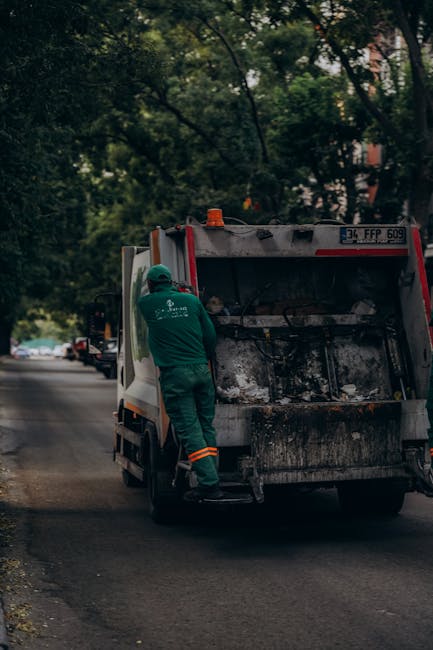
Gidea Park bulky rubbish pickup tips for tight access jobs
Bulky rubbish clearance sounds straightforward until you are standing in a narrow hallway, a basement stairwell, or a little Gidea Park driveway with no room to swing a wardrobe. That is where the real work begins. If you are looking for Gidea Park bulky rubbish pickup tips for tight access jobs, you probably need more than generic advice. You need a sensible plan, a few practical workarounds, and a clear idea of when a simple pickup becomes a small logistical puzzle.
Truth be told, tight access jobs are common across older terraces, flats, side passages, mews-style homes, and compact commercial spaces. The good news is that bulky item removal can still be smooth if you prepare properly. In this guide, you will learn how access affects pickup planning, which mistakes waste time, how to protect walls and floors, and what to ask before booking a collection. A bit of prep really does save a lot of grunt work later.
Table of Contents
- Why Gidea Park bulky rubbish pickup tips for tight access jobs Matters
- How Gidea Park bulky rubbish pickup tips for tight access jobs Works
- Key Benefits and Practical Advantages
- Who This Is For and When It Makes Sense
- Step-by-Step Guidance
- Expert Tips for Better Results
- Common Mistakes to Avoid
- Tools, Resources and Recommendations
- Law, Compliance, Standards, or Best Practice
- Options, Methods, or Comparison Table
- Case Study or Real-World Example
- Practical Checklist
- Conclusion
- Frequently Asked Questions
Why Gidea Park bulky rubbish pickup tips for tight access jobs Matters
Tight access changes everything. A sofa that would be simple to move from a wide-open house suddenly becomes awkward when it has to turn a corner, clear a bannister, and squeeze past a front gate with just a few inches to spare. Add rain, parked cars, or shared pathways, and the job can slow down fast.
In Gidea Park, as in many parts of London, properties vary a lot. You might be dealing with a detached house with a narrow side path, a first-floor flat with a steep stairwell, or a garage clearance where the main issue is not distance but manoeuvring space. The pickup itself is only one part of the job. Access planning is what makes the difference between a tidy collection and a stressful one.
It also matters because bulky waste often includes awkward shapes, not just heavy weight. Old wardrobes flex in the middle. Mattress springs catch on door frames. Broken desks leave jagged edges. If you try to force these items through a space they barely fit, you risk damage to the property and injury to the people moving them. Nobody wants that, obviously.
Expert summary: the more restricted the access, the more important it is to measure, clear the route, and break the job into smaller moves before collection day.
For households and businesses planning a larger clear-out, it can help to think beyond the one-off item and look at the full job. Services such as house clearance, flat clearance, and furniture clearance often make more sense when access is tight and there is a mix of bulky pieces.
How Gidea Park bulky rubbish pickup tips for tight access jobs Works
At a practical level, a bulky rubbish pickup for a tight access job follows a simple sequence: assess the access, identify the items, plan the route, and remove the load in the safest way possible. That sounds obvious, but the details matter more than people expect.
The process usually starts with a visual check or a few photos. The service provider needs to understand where the items are, what size they are, whether they can be dismantled, and how they will reach the collection point. A clear photo of a staircase, corridor, garden gate, or alley can save a lot of back-and-forth. You would be surprised how often a small measurement changes the whole plan.
Then comes the handling plan. For a tight job, that may mean bringing extra crew, using blankets or edge protection, removing doors temporarily if appropriate, or taking items apart before moving them. It may also mean scheduling the collection at a quieter time so neighbours, parked vehicles, or building access are less of a problem.
Most problems happen when people assume bulky rubbish can be carried out in one piece without checking the route. If you have ever watched a wardrobe catch on a stair turn, you know the feeling. Slow, awkward, and a little bit painful to watch.
For example, a clearance team handling a garage clearance in a narrow side return might move smaller items first, clear the path, then remove the larger item in a controlled sequence. That is not just tidy; it is efficient.
Key Benefits and Practical Advantages
The main benefit of good access planning is simple: fewer delays. But the advantages go further than that.
- Less risk of damage to walls, banisters, flooring, and doors.
- Safer lifting because the team can plan awkward turns and heavy lifts in advance.
- Faster removal because the route is already clear.
- Lower stress for residents, landlords, tenants, and staff.
- Better value because a well-organised job wastes less time.
- Cleaner finish since the area can be swept and checked properly afterwards.
There is also a quieter benefit: better communication. When everyone knows the access points, the item list, and the handoff point, the job feels calmer. That matters more than people admit. A rushed clearance often creates more noise, more mess, and more frustration. A planned one tends to feel almost uneventful. Which, in this line of work, is a good thing.
If you are comparing a simple pickup with a broader clearance, you may find that combining items into one visit is more efficient than arranging several smaller removals. That is especially true if the property has limited space around the front, side, or rear of the building.
Who This Is For and When It Makes Sense
This topic is relevant to a lot of people, not just homeowners with an old sofa to get rid of. In practice, tight access pickup advice helps anyone dealing with bulky waste in awkward surroundings.
It is especially useful for:
- people living in flats, maisonettes, or upper-floor homes
- landlords preparing a property between tenancies
- estate and probate situations where items need careful handling
- small businesses clearing stockroom or office furniture
- builders and tradespeople dealing with leftover materials in confined spaces
- garden owners with narrow side passages or rear access only
- families clearing lofts, garages, or spare rooms with limited stair access
It makes sense when the items are too large, too heavy, or too awkward for standard bin collection, but the access route is not generous enough for a simple drag-and-go job. That is the sweet spot where planning really pays off.
For a cluttered home with mixed items, a broader service such as home clearance can be more appropriate than trying to tackle each item separately. Likewise, if the job is in a commercial setting, office clearance or business waste removal may be the better fit.
Step-by-Step Guidance
Here is a practical way to approach a bulky rubbish pickup when access is tight. Keep it simple. Overcomplicating it only adds stress.
1. Identify every item clearly
Write down the items you want removed. Include size, approximate weight, and whether anything is broken or unstable. If a chest of drawers has loose runners or a table has a wobbly leg, mention it. Small detail, big difference.
2. Measure the access route
Check the narrowest points: door widths, hallway turns, stair landings, gate openings, and any tight outdoor corners. Measure the item at its widest point too, not just the main body. Handles, feet, and protruding parts matter.
3. Clear obstacles in advance
Move shoes, bikes, recycling bins, plant pots, and anything else that gets in the way. If the route is through a shared hallway or front path, keep it clear from the start. It sounds obvious, but one small basket or pram in the wrong place can slow the whole job.
4. Decide whether the item can be dismantled
Some furniture is much easier to move in parts. Bed frames, wardrobes, shelving, and some desks may come apart safely. Do not force anything if it will create splinters, sharp edges, or unstable pieces. A little disassembly can save a lot of swearing. Not that anyone would ever do that, of course.
5. Protect the property
Use floor runners, blankets, or edge protection where needed. If you are moving items yourself, make sure corners and paintwork are not taking the full impact. In a narrow stairwell, even a small scrape is annoying and avoidable.
6. Plan the carry-out direction
Sometimes the obvious route is not the best one. A rear access route may be easier than the front door, or a side gate may work better than a shared entrance. Think about where the item will turn, where it will pause, and where it will be loaded.
7. Keep the collection point close and legal
Items should be placed where they can be loaded safely and without obstruction. If you are in a terraced street or a busy part of Gidea Park, try to keep the final handoff point practical and compliant with parking and access rules.
8. Confirm what happens after collection
Ask how reusable furniture, recyclables, and mixed waste will be handled. For many customers, responsible disposal matters just as much as speed. A good operator should be able to talk plainly about recycling and sorting, not hide behind vague talk.
If your clearance includes items that are worn but still structurally sound, some of them may be more suitable for furniture disposal or for a wider recycling and sustainability approach, rather than just being thrown into the back of a van and forgotten about.
Expert Tips for Better Results
Experienced clearance teams tend to look for the small things first, because that is where tight access jobs succeed or fail. These are the habits that make a real difference.
- Take photos from the doorway and from the item itself. One photo from standing height rarely tells the full story.
- Measure the awkward bit, not just the main item. A wardrobe may fit on paper but fail at the handle or top trim.
- Check for hidden fixings or trapped parts. Drawers, bed slats, and screws can slow everything down.
- Choose a time when the route is quiet. School-run traffic, delivery vans, and neighbour parking can make a simple lift feel cramped.
- Allow space for staging. In small homes, it helps to move items into a landing or hallway before the team arrives.
- Be honest about access. If the route is awkward, say so. It is better to be candid than to understate the challenge.
One useful trick is to imagine the item being turned by two people carrying it with a slight tilt. If you can picture where the highest corner will go, you can usually spot the problem before it becomes one. That little mental rehearsal helps more than you might think.
Another tip: if there is a choice between moving one giant item and two medium ones, medium is often easier. Less drama. Less risk. Less noise, too.
Common Mistakes to Avoid
Most tight access problems are not caused by the access itself. They happen because the planning was too optimistic. Fair enough, optimism is nice, but it does not widen a hallway.
- Not measuring at the narrowest point. People often measure the front door and forget the stair turn.
- Leaving clutter in the route. Even a small basket or chair can turn a quick pickup into a shuffle.
- Forcing large furniture around corners. That is how walls get marked and fittings get damaged.
- Assuming one person can manage everything. Some items need extra hands, proper lifting, or disassembly.
- Ignoring parking and loading space. If the collection point is far from the property, the job becomes slower and harder.
- Failing to mention fragile surfaces. Fresh paint, polished floors, and tight stair rails all need care.
- Booking the wrong type of service. A one-item pickup is not the same as a full furniture clearance or a larger builders waste clearance.
Another common one: people leave the job until the last minute and expect the item to simply "be gone" by midday. Nice dream. Not how tight access works, though.
Tools, Resources and Recommendations
You do not need a huge toolkit, but the right basics make awkward jobs more manageable.
| Tool or resource | Why it helps | Best use |
|---|---|---|
| Tape measure | Confirms widths, heights, and turning points | Before booking and before moving items |
| Protective blankets | Reduces scuffs on walls, banisters, and furniture | Carrying large items through narrow routes |
| Gloves with grip | Improves handling of awkward or dusty items | Lifting rough, heavy, or splintered materials |
| Basic screwdrivers or hex keys | Helps dismantle furniture safely | Wardrobes, beds, desks, shelving |
| Clear photos on a phone | Gives a better picture of access conditions | When requesting a quote or planning the visit |
| Bin bags and tape | Keeps loose contents grouped and tidy | Small items, mixed clutter, or drawer contents |
For larger or mixed jobs, it is worth looking at the wider service picture too. A loft clearance may need different handling from a garage clearance, and a business site may need a very different approach again. If the job is urgent or the access is unusually awkward, a proper quote discussion is often the safest next step. You can also review pricing and quotes to understand how the service is usually structured.
Law, Compliance, Standards, or Best Practice
For bulky rubbish pickup in the UK, the main point is responsible handling. In plain English, waste should be removed, transported, and disposed of by people who understand their duty of care. You do not need to become an expert in waste law, but you do want to know that the waste will be managed properly.
Best practice usually includes:
- keeping access routes safe for workers and occupants
- avoiding damage to shared property and communal areas
- separating reusable, recyclable, and residual waste where practical
- using suitable equipment and enough labour for the item size
- being clear about what is included in the job
If a property is rented, in shared ownership, or part of a managed building, you may also need to consider building rules, neighbour access, and any instructions from a landlord or managing agent. That is not glamorous, but it matters. A quick check can prevent a nuisance complaint later.
Good providers will also have their own policies around safety and security. If you want a deeper look at company standards, pages such as health and safety policy, insurance and safety, and terms and conditions are useful reading because they show how the work is structured and what expectations apply.
Options, Methods, or Comparison Table
Not every tight-access job should be handled the same way. The right option depends on size, urgency, item type, and how awkward the route is.
| Method | Best for | Pros | Watch out for |
|---|---|---|---|
| DIY move-out | Small, light items with straightforward access | Flexible timing, low immediate cost | Risk of damage, injury, and multiple trips |
| Single-item pickup | One bulky item like a sofa, wardrobe, or mattress | Simple, fast, targeted | May still need route checks and help with stairs |
| Partial dismantling | Items that can be safely broken down | Much easier through narrow doors and turns | Needs the right tools and care with fixings |
| Full clearance visit | Rooms, lofts, garages, or mixed bulky waste | Efficient for larger jobs and mixed waste | Requires clearer planning and access details |
In many real-life cases, a full clearance is better value than lots of separate collections. That is especially true when the access is annoying enough that every trip takes extra time. If the property has a mix of furniture, general waste, and stored items, a fuller service can be a cleaner solution.
Case Study or Real-World Example
Here is a realistic example. A household in Gidea Park needs an old three-seater sofa removed from a first-floor flat. The stairwell is narrow, the landing turns sharply, and the front path is shared. The sofa is not especially heavy, but it is bulky in all the wrong ways.
Before the visit, the customer sends a few photos and measures the landing width, the stair turn, and the front door. That alone flags the main problem: the sofa will not go down flat. The team plans for a tilted carry, removes loose cushions, protects the banister, and clears a staging area near the hallway. The route is checked once more before lifting.
The result? No drama. A slightly sweaty lift, yes, because let's face it, stairs are stairs. But the sofa is out without marking the wall, and the customer does not have to wrestle with it for an hour. That is how a good tight-access pickup should feel: careful, controlled, and done properly the first time.
In a similar situation involving multiple items, the better choice might be a wider house clearance or a specialist furniture-focused visit rather than trying to chip away at the job one item at a time.
Practical Checklist
Use this checklist before collection day. It keeps the job organised and cuts down on last-minute panic.
- List every bulky item that needs removing
- Measure doors, stairs, landings, gates, and narrow points
- Take clear photos of the access route and the items
- Clear obstacles from hallways, paths, and staging areas
- Check whether any item can be dismantled safely
- Protect floors, skirting, and bannisters if needed
- Confirm where the collection point will be
- Make sure parking or loading space is realistic
- Tell the crew about any fragile surfaces or shared areas
- Set aside time for a quick final sweep-up afterwards
If the job has mixed contents, damp materials, or awkward storage conditions, take an extra minute to sort what is reusable, recyclable, and what is genuinely waste. A little sorting now saves a lot of handling later.
Quick takeaway: if the access is tight, the job is won or lost before the van arrives. Measure first, clear the route, and be honest about the awkward bits.
Conclusion
Gidea Park bulky rubbish pickup tips for tight access jobs come down to preparation, honesty, and a sensible understanding of the space you are working with. The narrower the route, the more you need to think ahead. Measure properly, choose the right removal method, and do not underestimate how much difference one small corner or gate can make.
Handled well, a tight access pickup is not a headache. It is just a job with a few extra steps. And once those steps are in place, the whole thing usually runs much more smoothly than people expect. Calm planning beats rushed lifting every time.
If you are weighing up your options, it is worth reviewing related services and practical guidance such as waste removal, furniture disposal, or about us to understand how a professional clearance approach is organised. And if the job is more than a single item, the right service can make the whole process feel far less of a faff.
Get a free quote today and see how much you can save.
Sometimes the best result is simply a clear space, a safer route, and that quiet relief when the awkward old item is finally gone.
Frequently Asked Questions
What counts as a tight access bulky rubbish pickup?
It is any bulky waste removal where the item has to pass through narrow doors, stairwells, shared hallways, side passages, small gates, or awkward corners. The item may be large, but the real issue is the route.
Do I need to measure the item and the doorway?
Yes, absolutely. Measure both the item and the narrowest points on the route. People often forget the stair turn or landing, which is usually where the trouble starts.
Can large furniture be taken apart before collection?
Often, yes. Many wardrobes, beds, shelving units, and desks can be dismantled if it is safe to do so. If you are unsure, leave it intact and mention it when booking so the right approach can be planned.
What should I do before the pickup team arrives?
Clear the route, move small obstacles, take a few photos, and confirm where the items will be collected from. If there are shared hallways or parking restrictions, it helps to mention those early.
Is a tight access job usually more expensive?
It can be, because the work may take longer or require extra labour. That said, pricing usually depends on the actual job details, not just the postcode or the item type. A clear description is the best way to get a fair quote.
What if the item will not fit through the door?
Then dismantling, alternative routing, or a different collection plan may be needed. In some cases, the item may need to be removed in parts. Forcing it is not the answer, and it can cause damage very quickly.
Can you remove bulky rubbish from flats and upper floors?
Yes, provided the access is understood in advance. Flats, maisonettes, and upper-floor properties are common examples of jobs where planning matters. Narrow staircases and shared entrances simply need more care.
What type of items cause the most problems in tight spaces?
Wardrobes, sofas, mattresses, desks, bed frames, and large cabinets are common troublemakers. They are often more awkward than they are heavy, which is what catches people out.
How do I protect walls and floors during removal?
Use blankets, floor protection, and careful carrying techniques. Keep corners padded where possible and clear the path before moving begins. A few minutes of preparation can prevent annoying scuffs.
What if I have more than one bulky item to remove?
It may be better to arrange a fuller clearance rather than several separate pickups. If the access is tight, combining items into one visit is often the smoother, more efficient option.
Do I need to be present during the pickup?
It is usually helpful, especially for tight access jobs. Being present means you can confirm the route, answer questions, and point out any awkward spots before the lifting starts.
How do I know whether I need furniture clearance, house clearance, or waste removal?
If it is one or two items, a pickup may be enough. If the job involves several rooms, mixed contents, or a full property clear-out, a broader service such as furniture clearance or house clearance is usually more suitable. For mixed rubbish, waste removal may be the better fit.